
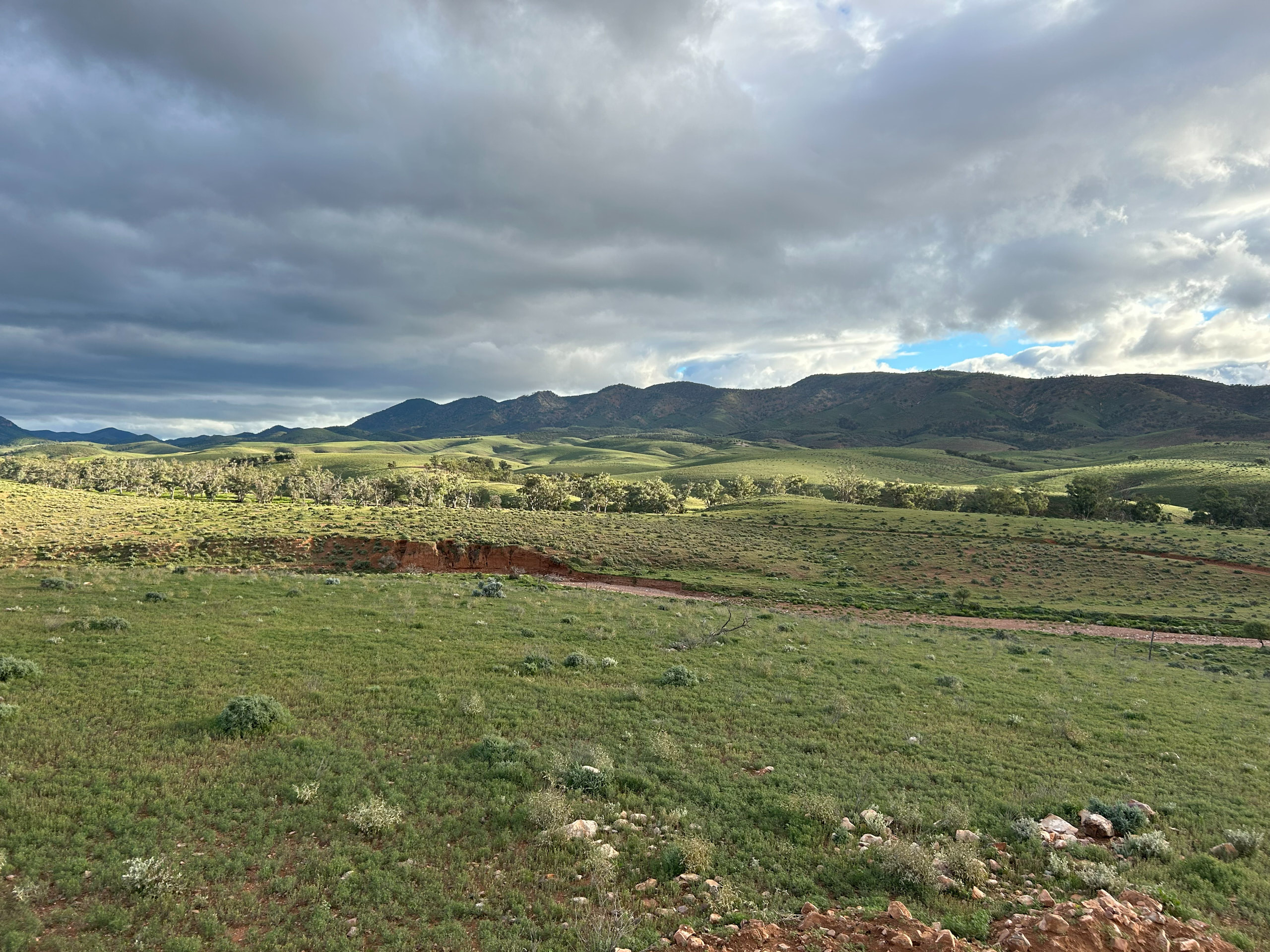
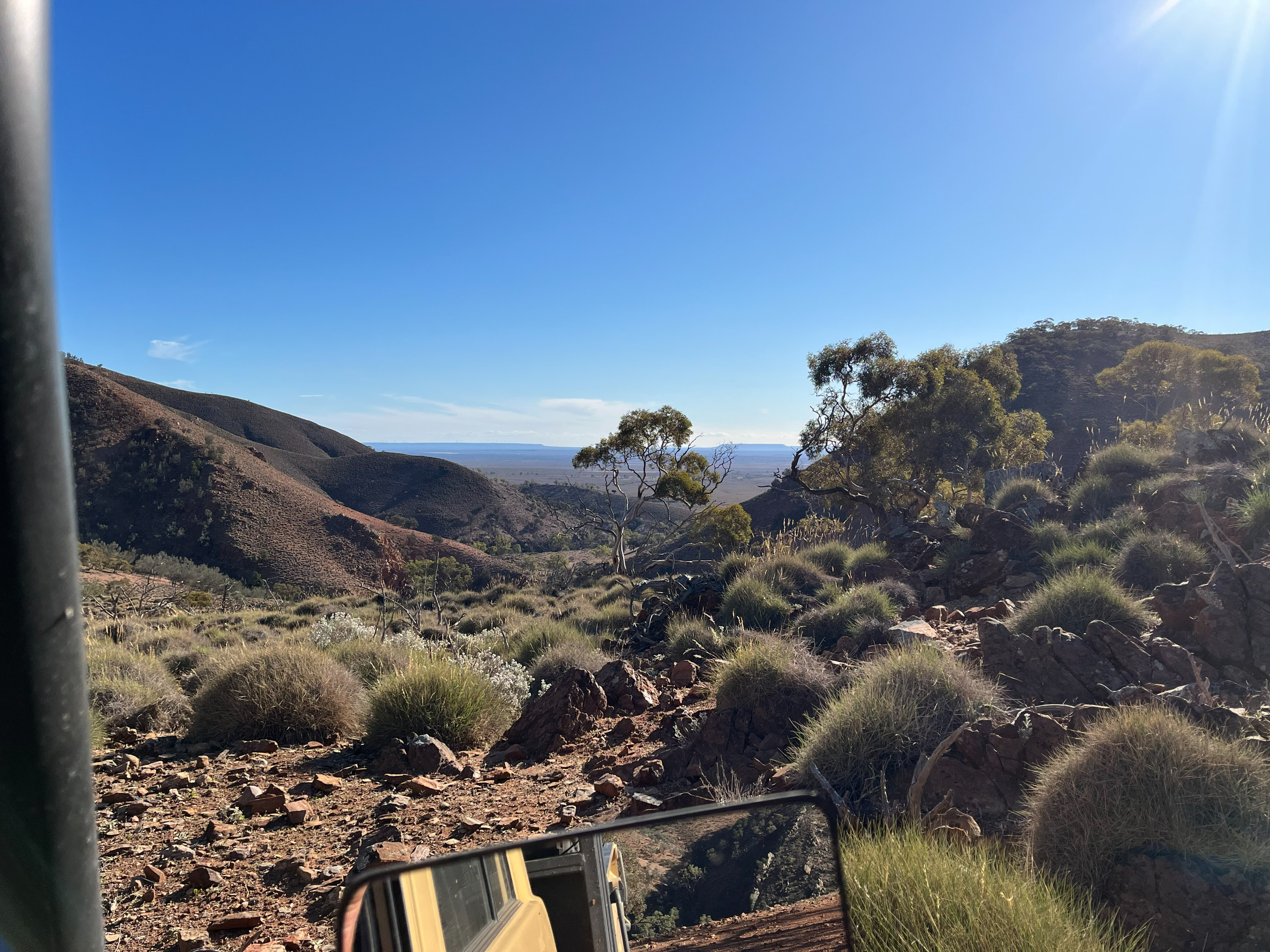
Beltana Station is a historic pastoral lease and working sheep (and cattle) station in the Flinders Ranges region of South Australia, closely tied to the nearby historic township of Beltana.
Early days: Pastoral use began in 1854 by John Haimes; surveyed in 1855 by explorer John McDouall Stuart. In 1862, acquired by Robert Barr Smith (with ~17,700 sheep), then Thomas Elder took over the lease, establishing Beltana Station.
Thomas Elder era: Elder (a major Flinders pastoralist) made it a key hub. He bred camels and horses here; in 1866, imported camels (with "Afghan" cameleers) for transport, exploration, and the Overland Telegraph Line. It served as a base for explorers like Ernest Giles (1875 expedition). The station supported up to ~60 residents in its heyday.
Peak and role: Part of the Beltana Pastoral Company (with Elder and others). Significant for sheep/cattle, camel transport, mining support (e.g., nearby copper at Sliding Rock), and as a stop for telegraph, railway (arrived 1881), and outback activities.
Conflicts with local Aboriginal people (Kuyani/Adnyamathanha) occurred in the early years, including a 1863 clash.
The adjacent town of Beltana boomed in the 1870s–1920s (pop. up to ~500 at times) due to mining, telegraph, railway (The Ghan route), and services, but declined with mechanisation, mine closures, railway realignments (1956/1980s), and road bypass. It’s now a preserved “living ghost town” and State Heritage Area (declared 1987).
It continues as a working pastoral property in a remote outback setting. The area offers heritage tourism, with the town featuring interpretive trails, preserved stone buildings (many private residences), a campground, and the Royal Victoria Hotel. Wildlife (kangaroos, emus, rock-wallabies) and arid landscape (saltbush, river red gums) are prominent.